Quotation Readiness
How a case study becomes a project-ready BOQ.
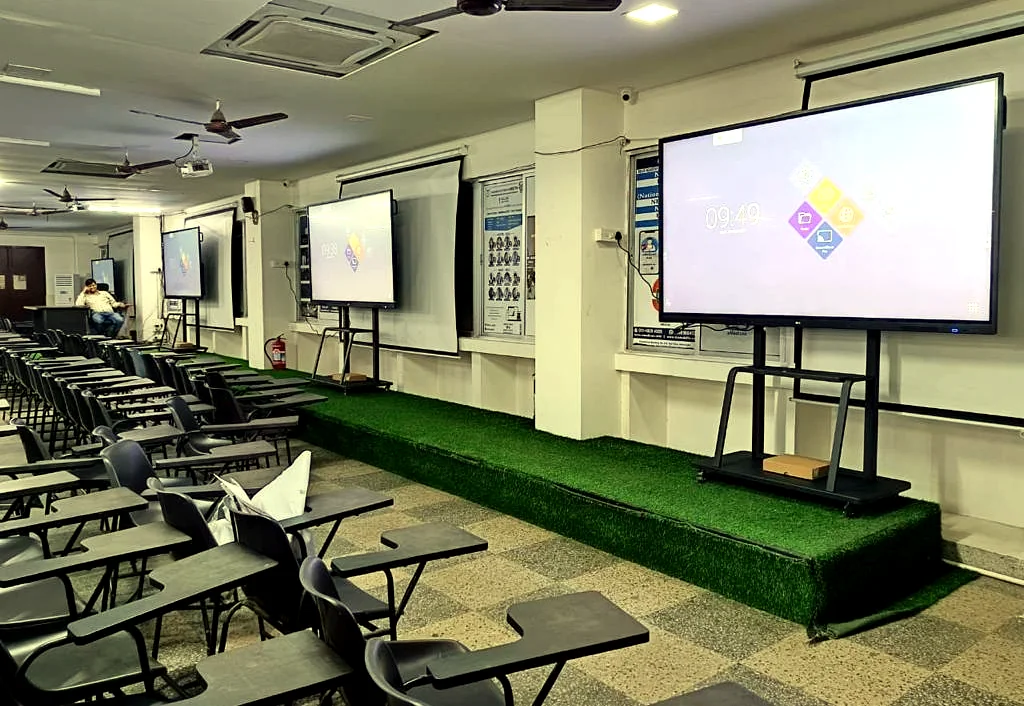
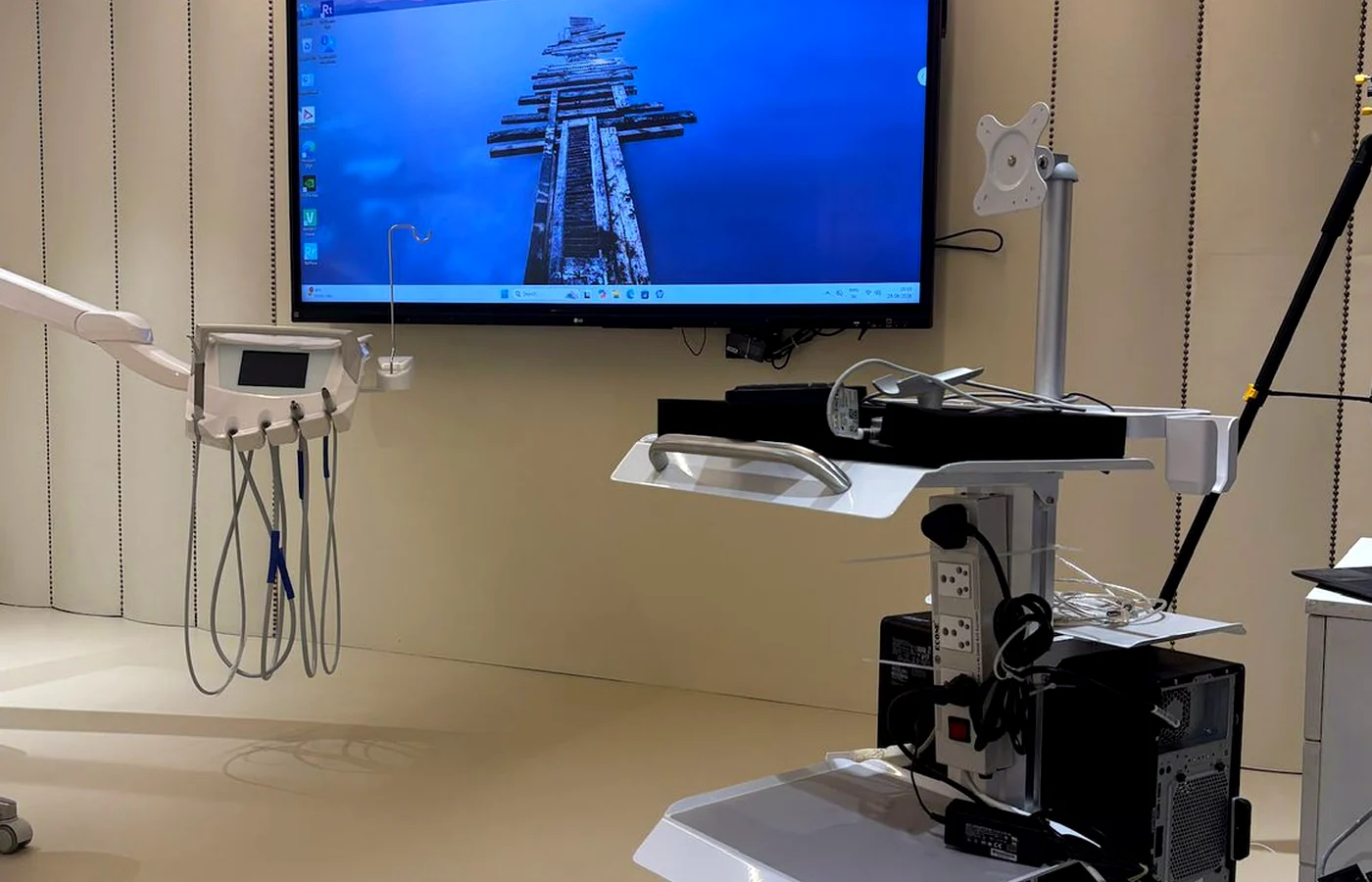
A case study is the starting point for discussion, not the final design for every site. When a client approaches GPSPL with a similar requirement, the team checks room size, seating, viewing distance, table layout, wall condition, ceiling type, background noise, cabling path, network readiness, power availability, mounting complexity and support expectation. These details decide whether the project needs a commercial display, interactive panel, projector, LED wall, PTZ camera, video bar, ceiling microphone, wireless microphone, room speakers, DSP, amplifier, controller, touch panel, rack, UPS or AMC support.
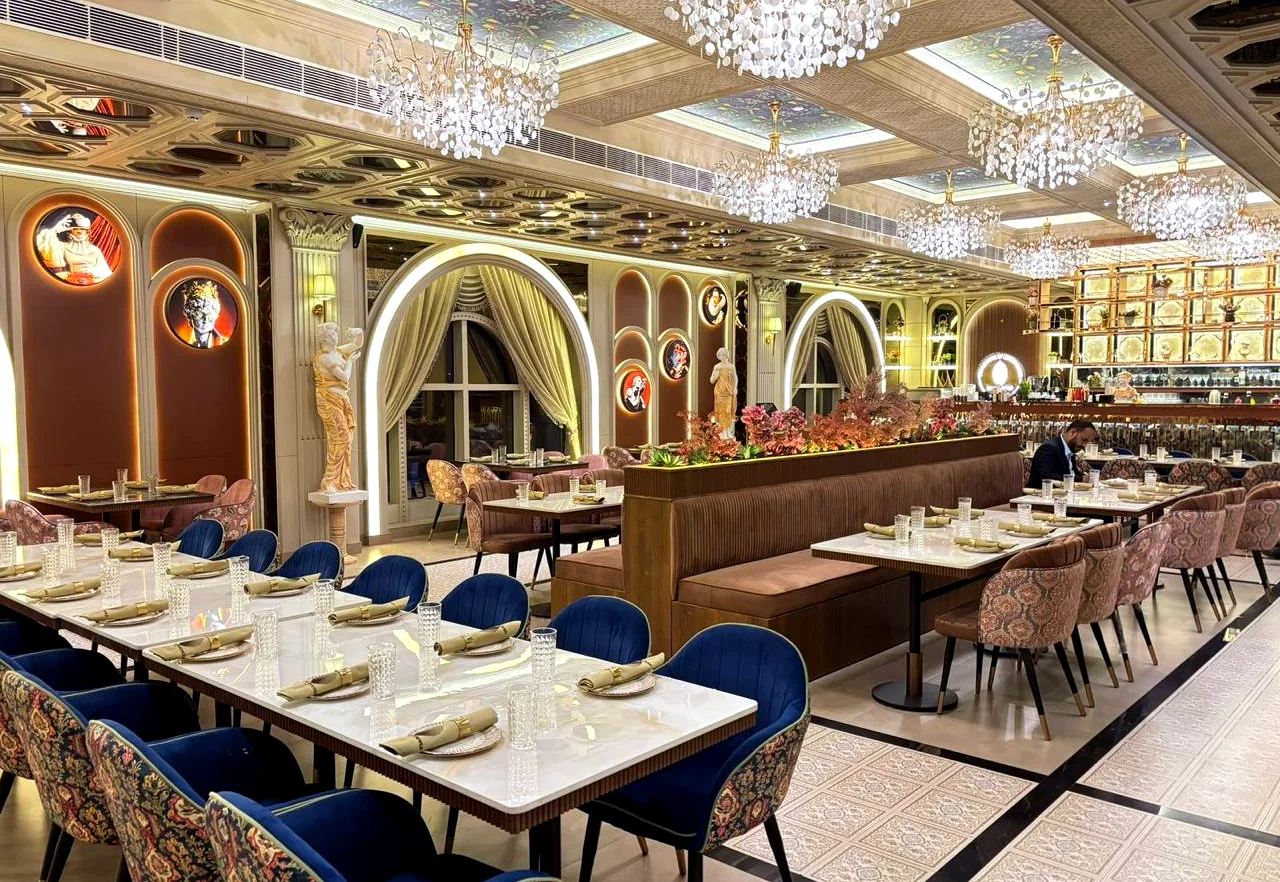
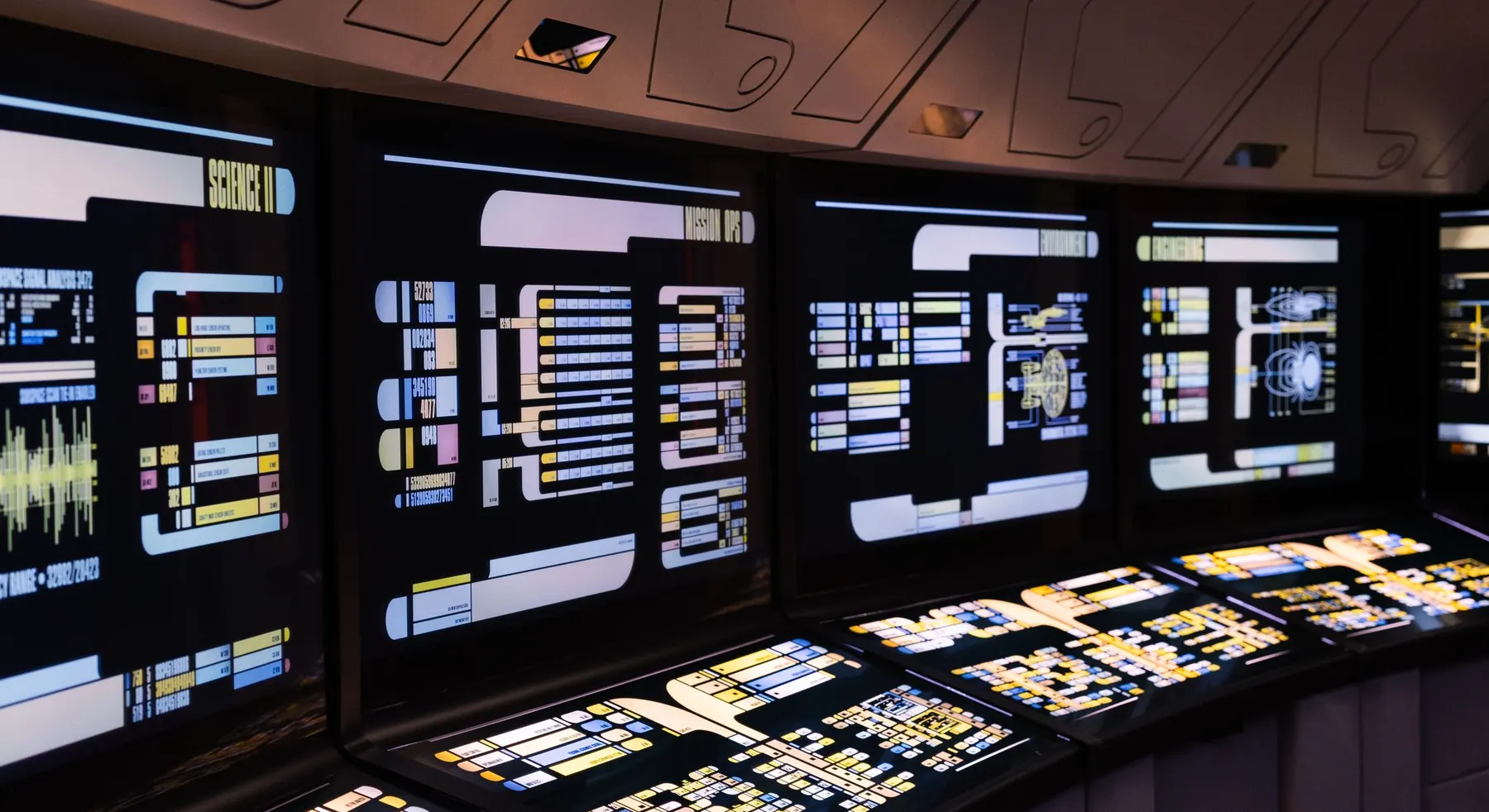
This is important because two rooms that look similar in photographs can behave very differently. A boardroom with reflective glass can create echo risk. A classroom with high ambient light may need a different display choice. A command room may need more source switching and rack discipline than a normal meeting room. A retail signage site may depend on content update workflow. A hotel event space may need stronger audio headroom and operator controls. GPSPL uses case studies to show experience, then validates the actual recommendation before the commercial offer is finalized.
For procurement teams, this also makes comparison easier. Instead of asking only for the cheapest product, the buyer can ask whether the quote includes installation, cable routing, termination, labeling, programming, testing, commissioning, user training, documentation, warranty route and service escalation. A lower initial quote can become expensive if these responsibilities are missing. GPSPL positions case studies to make those hidden parts visible before the purchase decision.
For multi-room requirements, GPSPL can also compare common standards across the site. Similar rooms may share display families, microphone strategy, camera platform, control interface, rack practice and AMC approach. Standardization reduces training effort and support complexity, while still allowing special rooms such as auditoriums, command centers, divisible halls or executive boardrooms to receive a more advanced design where justified.
This keeps the final BOQ balanced: professional enough for daily use, practical enough for maintenance teams and clear enough for purchase approval.